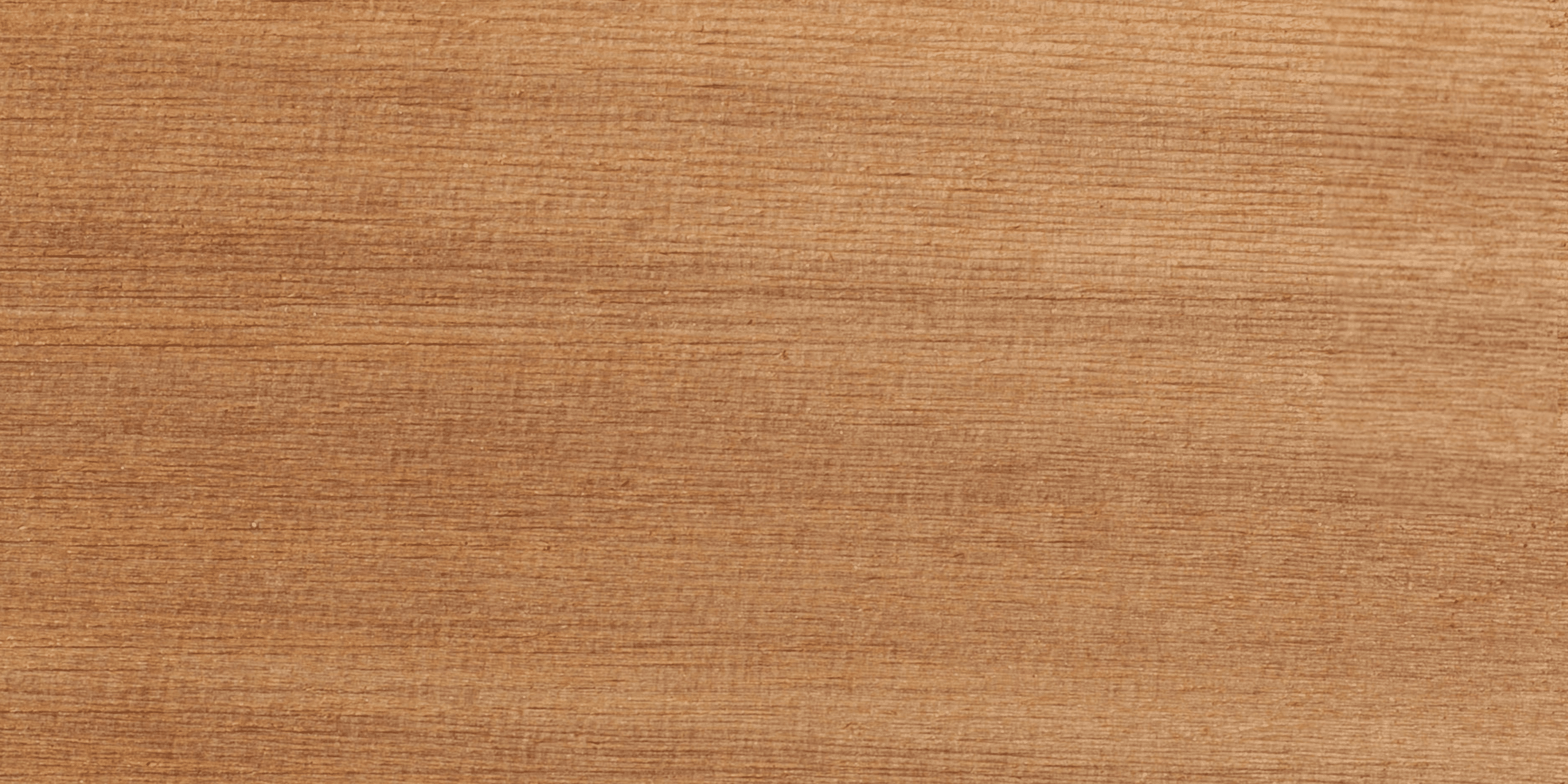
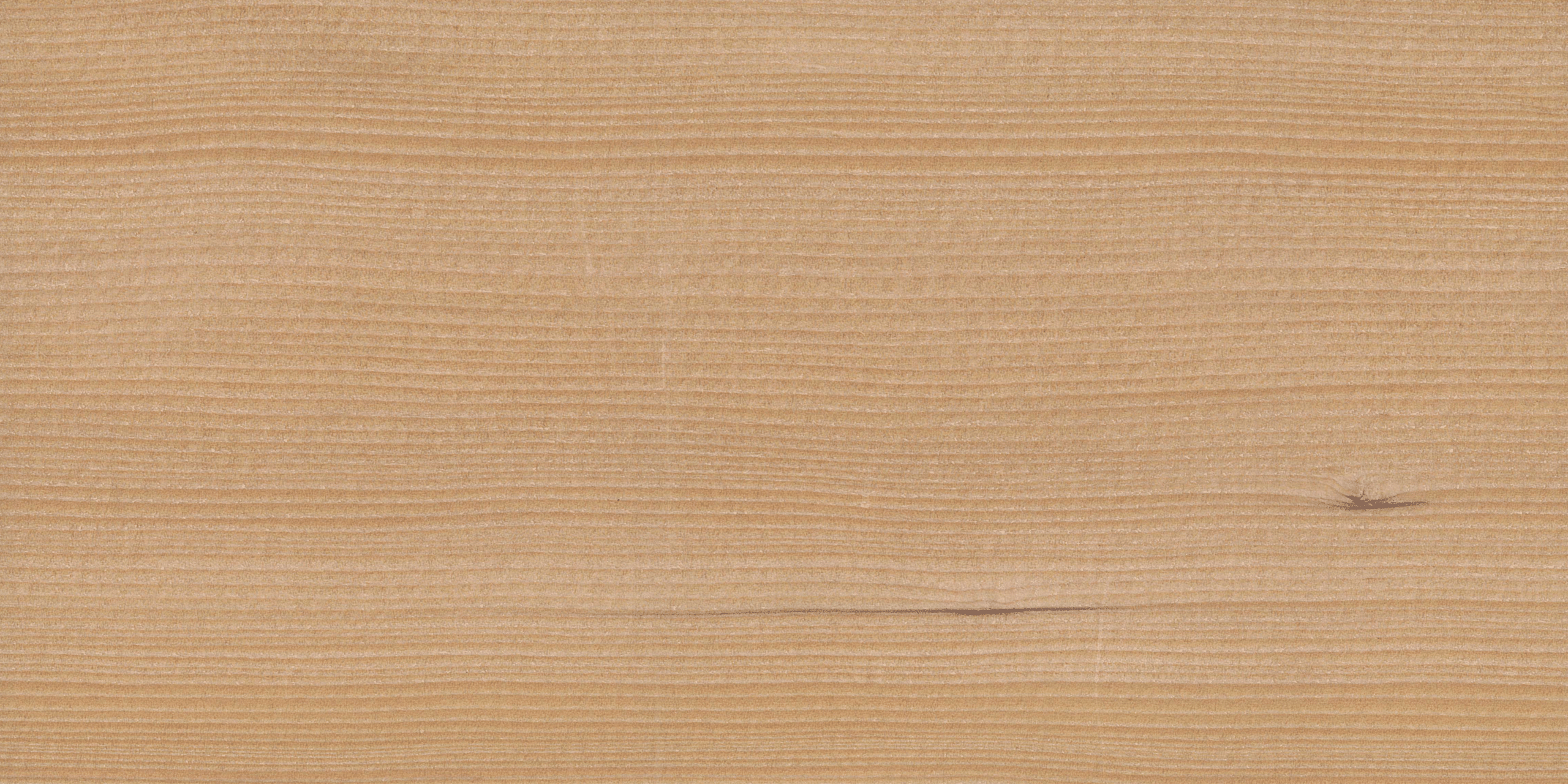
When comparing Clear Vertical Grain Western Red Cedar, Vertical Grain Alaskan Yellow Cedar, and Vertical Grain Hemlock, it’s important to separate two key factors: cut and grade versus species performance. While all three options share a vertical grain profile that delivers tight, straight lines and strong dimensional stability, the real differences come down to appearance, consistency, durability, and application.
Just as important is understanding the difference between clear cedar vs vertical grain cedar. Clear material is often flat grain, which can move significantly more over time; sometimes up to 50% more than vertical grain; and does not take stains and finishes as consistently. Vertical grain cedar, by contrast, is sawn for tight, perpendicular grain, resulting in better stability, a more uniform appearance, and improved finishing performance.
If you’re deciding which cedar is best for siding or paneling, understanding these differences will help you choose the right material based on both performance and visual goals. From the premium, knot-free finish and natural durability of Clear VG WRC, to the uniform look of AYC, and the application-specific use of Hemlock, each serves a distinct purpose.
Clear Vertical Grain – Western Red Cedar (WRC)
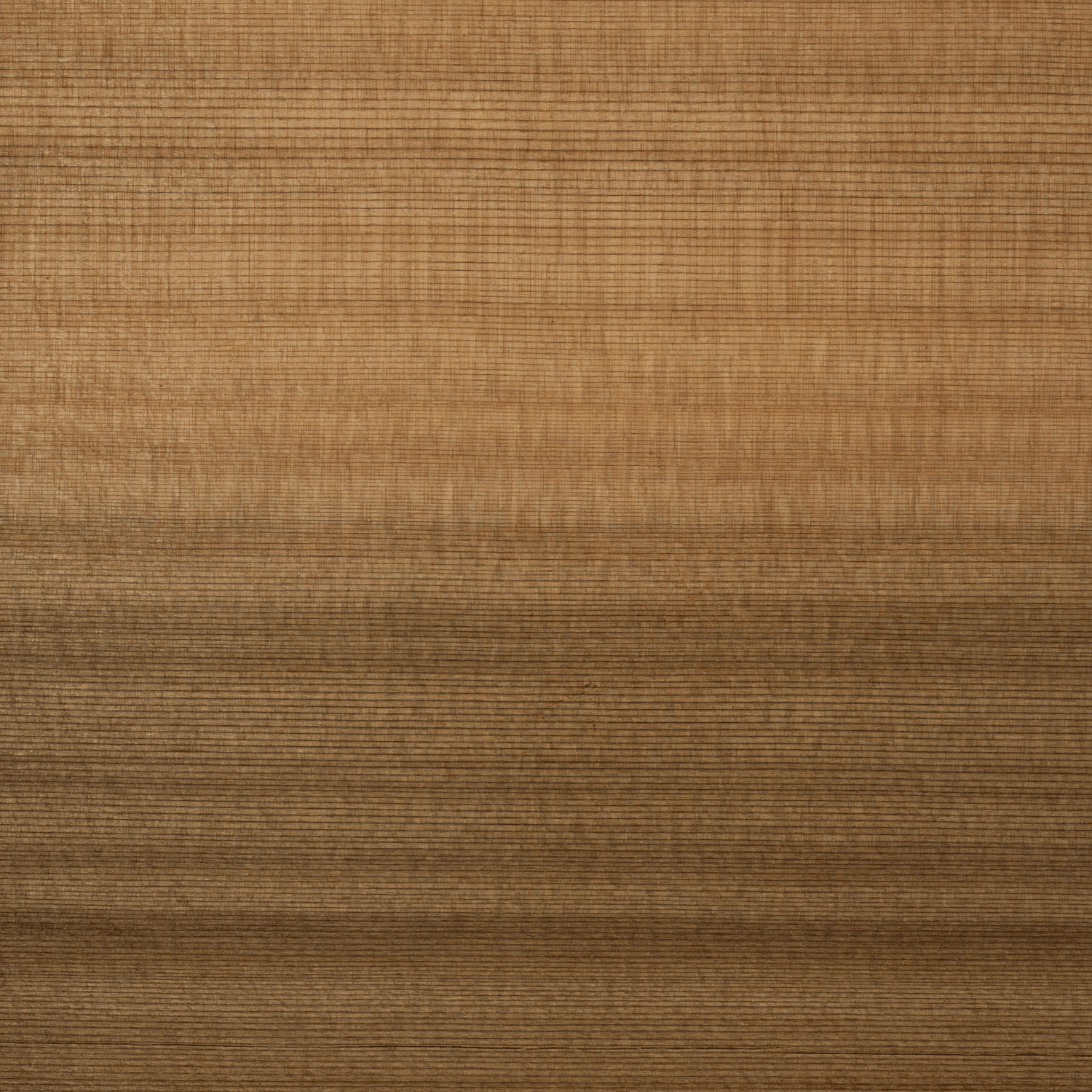
Clear VG WRC is both a cut and a grade. The vertical grain means the growth rings are tight and perpendicular, which gives you excellent stability and a very straight, linear appearance. The “clear” portion is what sets it apart; it is essentially free of knots and defects.
It’s important to distinguish this from standard “clear” cedar, which is often flat grain. Flat grain material can move significantly more over time compared to vertical grain and typically does not take stains and finishes as evenly. Clear Vertical Grain minimizes that movement and inconsistency, delivering a more predictable and uniform result in both performance and appearance.
Visually, Western Red Cedar vertical grain carries a wider range of tones, from light amber to deeper reddish-browns, with more natural variation than the other species. That variation is often seen as a premium, natural aesthetic. It also finishes very well and accepts stains evenly.
From a performance standpoint, WRC is naturally resistant to moisture, decay, and insects, making it one of the best options for exterior cedar siding applications.
In short: premium appearance, natural variation, highly durable, exterior-capable.
Vertical Grain – Hemlock
Hemlock vertical grain refers only to the cut, not a premium “clear” grade. You will typically see more natural characteristics, including occasional knots, compared to Clear VG WRC.
Visually, Hemlock is more muted and neutral; light tan with subtle grain contrast. It doesn’t have the richness of WRC or the brightness of AYC, but it delivers a softer, understated appearance.
The key difference is performance. Hemlock does not have the same natural decay resistance as cedar species. Because of that, it is best suited for interior wall paneling, ceilings, and soffits, rather than exterior siding.
It installs cleanly and is stable, but it relies on proper application rather than inherent durability.
In short: cost-effective, subtle appearance, stable, but limited to interior and soffit use.

Vertical Grain – Alaskan Yellow Cedar (AYC)
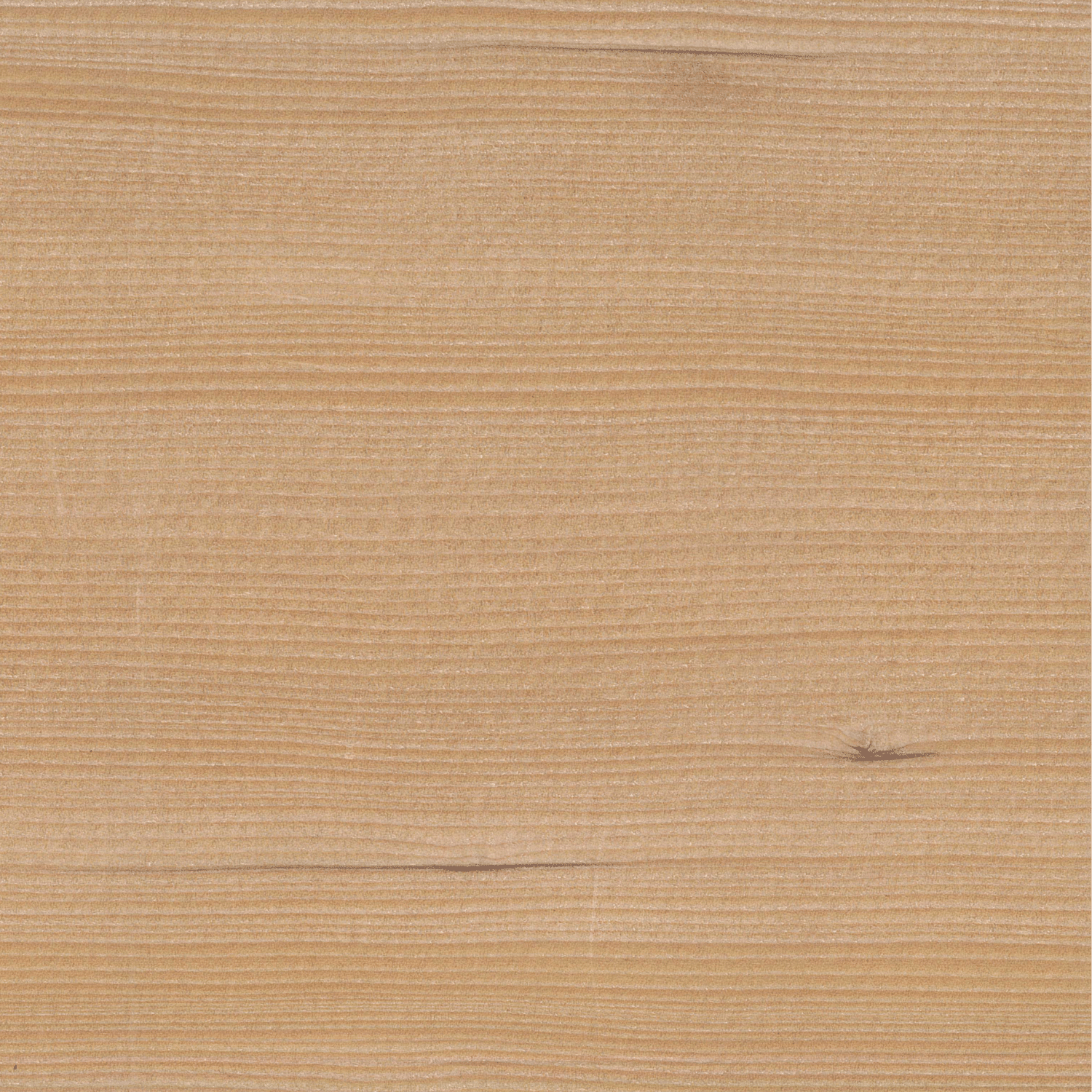
AYC vertical grain shares the same cut (tight, straight grain), but not the same grade expectation as “clear.” You may still see minor natural characteristics or small knots, but overall, it remains very clean visually.
The biggest difference is color and consistency. Alaskan Yellow Cedar vertical grain trends much more uniform, with pale yellow to blonde tones and far less color variation than WRC. This creates a clean, consistent look with minimal visual noise; ideal for modern or refined designs.
AYC is also very stable and durable, with strong resistance to decay. However, it behaves differently in finishing. It is naturally oily and dense, which means it often requires more aggressive surface prep for proper stain adhesion.
In short: uniform color, clean linear look, very stable, requires more prep for finishing.
Which One Should You Choose?