A Piece of Shakertown Heritage
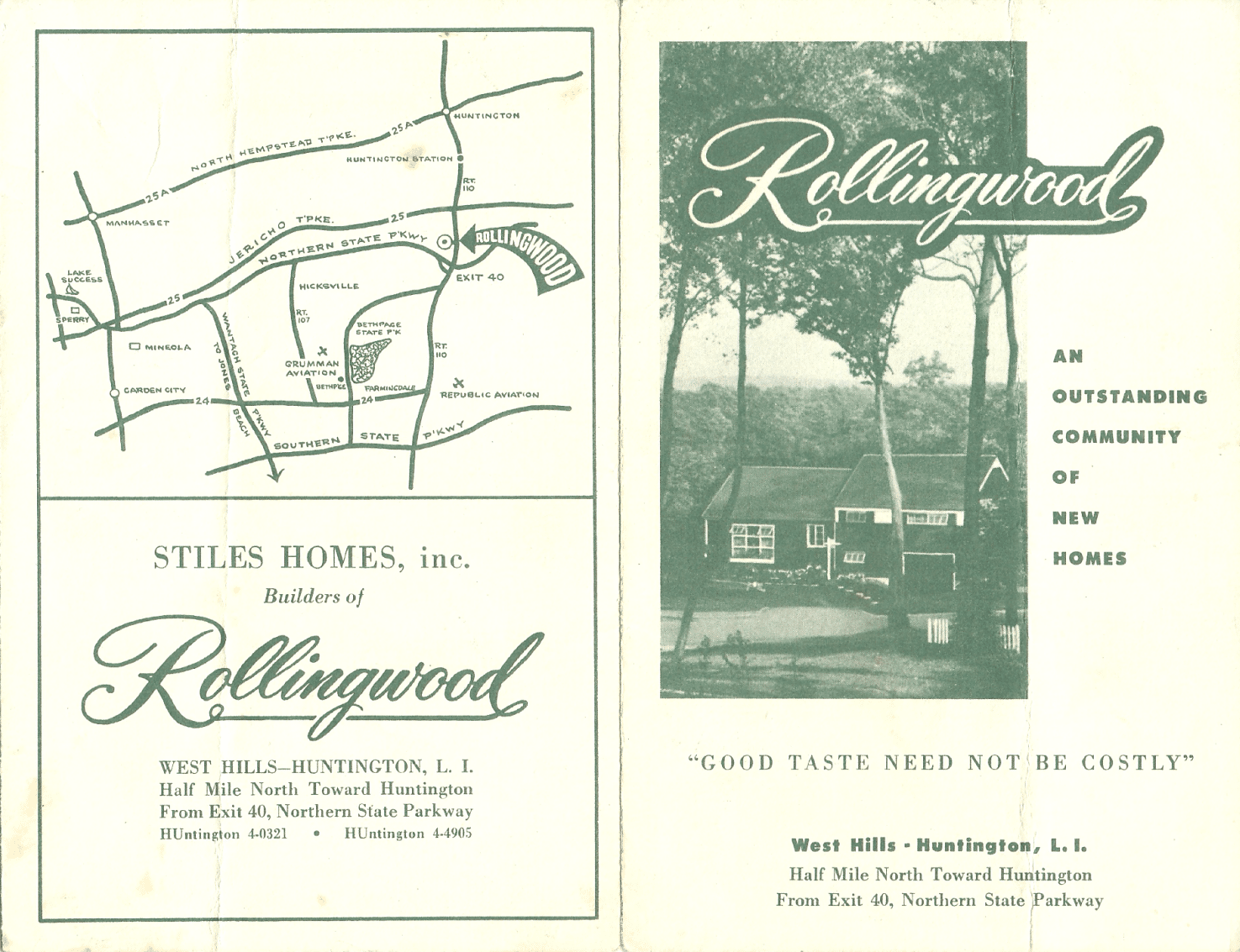
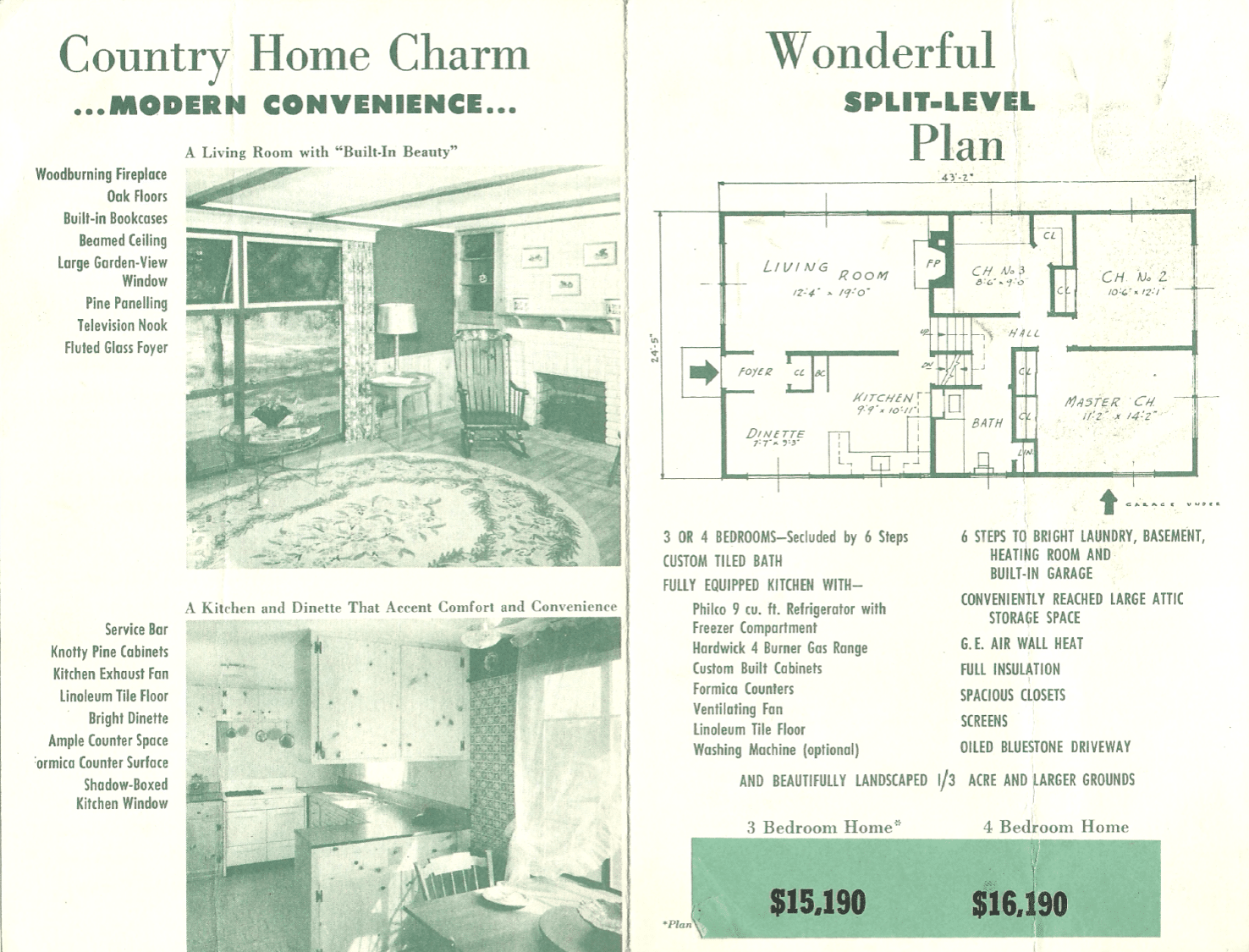
Recently, a homeowner on Long Island shared something extraordinary with us. While reviewing original documents tied to a 1952 home in Rollingwood, West Hills, New York, they uncovered the original typed specifications from Stiles Homes. It was not a marketing insert or a promotional flyer. It was the formal construction specification sheet for the home.
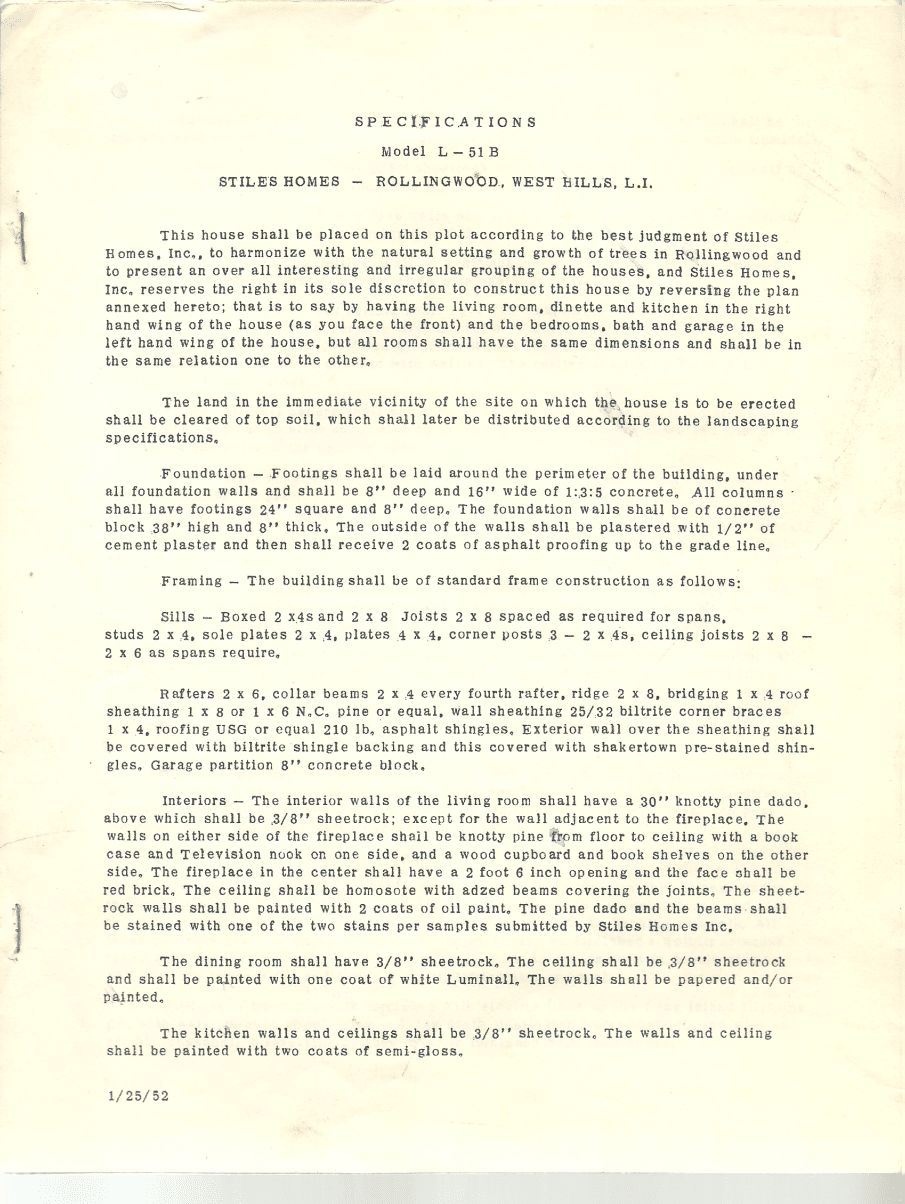
“Exterior wall over the sheathing shell be covered with biltrite shingle backing and this covered with Shakertown pre-stained shingles.”
Within the exterior wall description was a line that carries far more meaning than its simplicity suggests:
“…covered with shingle backing and this covered with Shakertown pre-stained shingles.”
The document is dated January 25, 1952.
At that time, Shakertown was operating out of Shaker Heights, Ohio. AKA: the birthplace of the company. This was the formative era of the brand. The early years, when finishing Western Red Cedar shingles with precision and consistency was not yet common practice, and certainly not an industry standard.
To see Shakertown specified by name in a 1952 residential build on Long Island is more than a historical footnote. It is evidence that even in its earliest years, the company’s commitment to factory finishing had already established a reputation strong enough to travel well beyond Ohio.
In the early 1950s, most cedar shingles were delivered unfinished. Staining was commonly performed on-site, often exposed to weather and subject to variations in technique and coverage. The final appearance of a home could depend heavily on field conditions.
Shakertown approached the process differently from the start. Individual shingles were factory-stained prior to shipment, allowing finishing to take place under controlled conditions before the material ever reached the job site. The goal was simple: produce a consistent, refined result that would define the finished exterior.
This recently uncovered specification sheet connects directly to the company’s earliest years in Shaker Heights. It captures a moment when Shakertown was still a young company, yet already being specified in residential construction hundreds of miles away.
More than seventy years later, the scale of production and the tools used to finish cedar have changed, but the idea behind it has stayed the same. From the beginning, the goal was simple. Cedar should leave the factory ready to perform and ready to look the way it was intended.
What makes this document interesting is where it came from. It was not pulled from a company archive or an old marketing file. It surfaced because a homeowner held on to the original paperwork tied to their house and happened to notice the name Shakertown written into the specifications.
It is a small reminder that these homes have their own history as well. Sometimes pieces of that history show up decades later, long after the house was first built.